
5.2 What to consider when supporting individuals to improve active ageing
Identifying the different factors to consider when planning active ageing activities
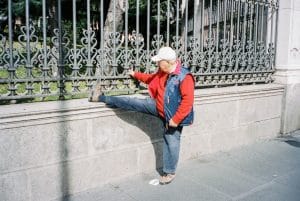 Regular activity has multiple benefits to ageing; however, it is important that preparation for activities is carefully considered. As people age there can be a prevalence of physiological and psychological barriers that can begin to affect activity, mobility and ability of elderly people. It is key to identify these before beginning any planning.
The main considerations include:
- Physical Factors
- Psychological Factors
- Environmental Factors
Physical Factors
Physical factors include a range of individual considerations. As people age they can gain additional medical issues and have reduced mobility.
Psychological Factors
This includes individuals’ cognition and ability to understand the importance of completing active ageing activities. However, this also includes low motivation, lack of readiness to change current activity habits and social skills to enable cohesive group working.
Environmental Factors
Environmental factors includes the access to appropriate equipment, resources, locations and the health and safety within all of these factors.
Physical Factors
 Medical issues can affect people in differing ways, and some can be more complex than others. It is key to know the medical needs of the people you are completing active ageing activities with so you can identify what barriers you may come up against for individuals. There is now evidence that being active is helpful in preventing and managing medical conditions. However, physical limitations may compound the usual physical abilities and will require additional considerations.
Reduced mobility is also a factor that means someone is unable to have full movement within activities. This could put limitations on usual physical movement but also needs to be considered in planning active ageing activities. This will impact on what activity individuals are able to do and in what way they can do activities.
As you age you have decreased heat tolerance and therefore, it is key to consider the temperature and threshold for sweating for older ages. Heat exposure can cause an increase in skin blood flow and elderly people have less ability to adjust this. Therefore, affecting the core temperature of the body. How the activities are planned will need to considered to ensure this barrier can be reduced.
Psychological Factors
There are many psychological factors that can impact on individuals wanting or being able to take part in different activities. These can include:
- Lack of enjoyment of activity
- Mental Health – emotional and psychological wellbeing
- Low expectations of benefits
- Lack of motivation
- Difficulty in changing habits
- Social Skills – ability to work cohesively in a group situation
- Learning Difficulties – difficulty acquiring knowledge or skills and retaining this information, ability to follow instructions
The barriers could impact in several ways, and it is key to get to know the participants to understand how activities can be planned to overcome these potential barriers.
Environmental Factors
The location and resources available to you as a leader of active ageing activities could be limited. The chosen location needs to be accessible, easy to get to for individuals (transport links), have welfare facilities (toilet, water) and safe. Health and safety will be a key consideration and ensuring risk assessments are in place for any location used for activities.
The resources required for the chosen activity could also restrict options. Looking at options that match physical ability and having resources available will be a careful balance. For example, walking is a free option and finding a pleasant weekly walk could be a great active ageing activity. However, with reduced mobility this may not be possible for some, you may need additional resources such as wheelchairs or more staff to enable this to go ahead.
Which of the below describes Environmental Factors that could be barriers to planning active ageing activities?
- The chosen location needs to be accessible, easy to get to for individuals (transport links), have welfare facilities (toilet, water) and safe.
- Reduced mobility is also a factor that means someone is unable to have full movement within activities.
- There is now evidence that being active is helpful in preventing and managing medical conditions. However, physical limitations may compound the usual physical abilities and will require additional considerations.
Consider how you would overcome 1 or more of these barriers
Here is an example of how you can overcome some of the barriers to active ageing activities that have been discussed:
Reduced mobility: Exercise, and the opportunity to exercise, can decline rapidly as we age. With the decline in exercise comes a loss in mobility, which often leads to fall risk. One out of three seniors fall each year, and this can lead to debilitating injury – further perpetuating the loss of mobility and inability to exercise. One way to break this vicious cycle is to ensure you’re the individual has access to routine exercise on an individual basis, this can be supported and devised by medical professionals where possible. This will also support the increase in strength and allow for individuals to then join a group activity to allow them to become more mobile or less likely to fall.